
Running Google Ads can be one of the most powerful ways to generate leads and sales for your small business—but without measuring your ROI (Return on Investment), you’re flying blind.
At Happy To Help Marketing!!, we’ve worked with countless small to medium size businesses to help them not only run profitable Google Ads campaigns, but also track performance in a way that proves every dollar spent is worth it.
In this guide, we’ll break down exactly how you can measure ROI from your Google Ads campaign and make smarter decisions that grow your business.
Step 1: Understand the Basics of ROI for Google Ads
ROI in Google Ads measures how much profit you’ve earned compared to the amount you’ve spent.
The basic formula is:
ROI (%) = (Revenue from Ads – Ad Spend) ÷ Ad Spend × 100
Example:
- If you spent $2,000 on ads and earned $8,000 in sales:
ROI = (8,000 – 2,000) ÷ 2,000 × 100 = 300% ROI
💡 Tip: ROI tells you profitability, but ROAS (Return on Ad Spend) tells you revenue per dollar spent. Use both for a clearer picture.

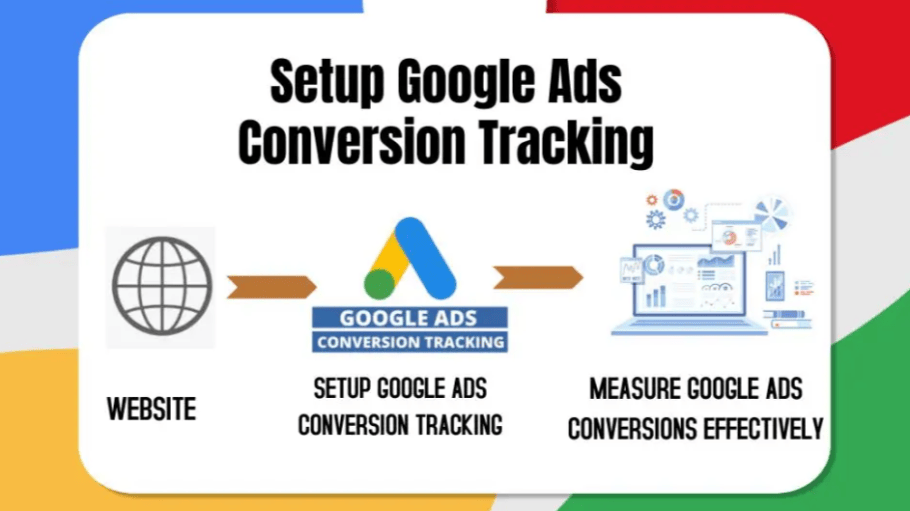
Step 2: Set Up Conversion Tracking
You can’t measure ROI without accurate data. That’s why Google Ads conversion tracking is essential.
What to Track:
- Phone calls from ads
- Form submissions on your site
- E-commerce transactions
- Appointments booked online
✅ Use Google Tag Manager or the built-in Google Ads conversion tracking to ensure every lead or sale is recorded.
Step 3: Assign a Value to Each Conversion
If you sell products, use actual sales data. If you’re a service business, determine your average customer value.
Example for a plumbing business:
- Average job value: $350
- Closing rate from leads: 40%
- Each lead is worth: $350 × 0.4 = $140
Now, when you see you’ve generated 50 leads, you can estimate revenue:
50 × $140 = $7,000
Step 4: Use the Right Metrics (Not Just Clicks)
Clicks are nice, but ROI comes from conversions and profit. Focus on:
- Cost per Conversion (CPC) – How much you spend per lead or sale
- Conversion Rate – % of clicks that result in conversions
- ROAS – Total revenue ÷ ad spend
- Lifetime Value (LTV) – How much each customer spends over time
📊 Example Table:
| Metric | Result | Goal |
| Ad Spend | $2,000 | — |
| Conversions | 50 | 40+ |
| Cost per Conversion | $40 | <$50 |
| Estimated Revenue | $7,000 | — |
| ROI | 250% | Positive growth |
Step 5: Optimize Based on Data
If a Google campaign is driving leads below your target cost per conversion—scale it up. If it’s above, adjust:
- Pause low-performing keywords
- Improve ad copy and landing pages
- Test different bidding strategies
- Focus on high-intent keywords
Step 6: Factor in the Long-Term Value
Many SMBs underestimate ROI by ignoring repeat business. If a single client comes back 3 times a year, the real ROI is far higher.
Example:
- Cost to acquire a client: $50
- Annual value of client: $600
That’s a 1,100% ROI when you factor in repeat purchases.
FAQs: Measuring ROI from Google Ads
Q: How soon should I check my ROI?
A: Give new campaigns at least 30 days before making big judgments.
Q: Is a high click-through rate (CTR) enough?
A: No—CTR is only a good sign if those clicks turn into profitable conversions.
Q: Can I run Google Ads without tracking ROI?
A: Technically yes, but you risk wasting money without knowing what’s working.
Q: What’s a “good” ROI for Google Ads?
A: It varies by industry, but many SMBs aim for at least 300% ROI (making $3 for every $1 spent).
Final Thoughts
Google Ads can be one of the most cost-effective marketing tools for small businesses—but only if you track, analyze, and optimize for ROI.
At Happy To Help Marketing!!, we help small businesses run Google Ads campaigns that aren’t just busy—they’re profitable. From setup to reporting, we handle the details so you can focus on running your business. We help businesses from Fishers,IN to Medford ,OR. If you’re interested in building your business give us a call!
Ready to see real returns from your ads? Contact us today for a free strategy session.